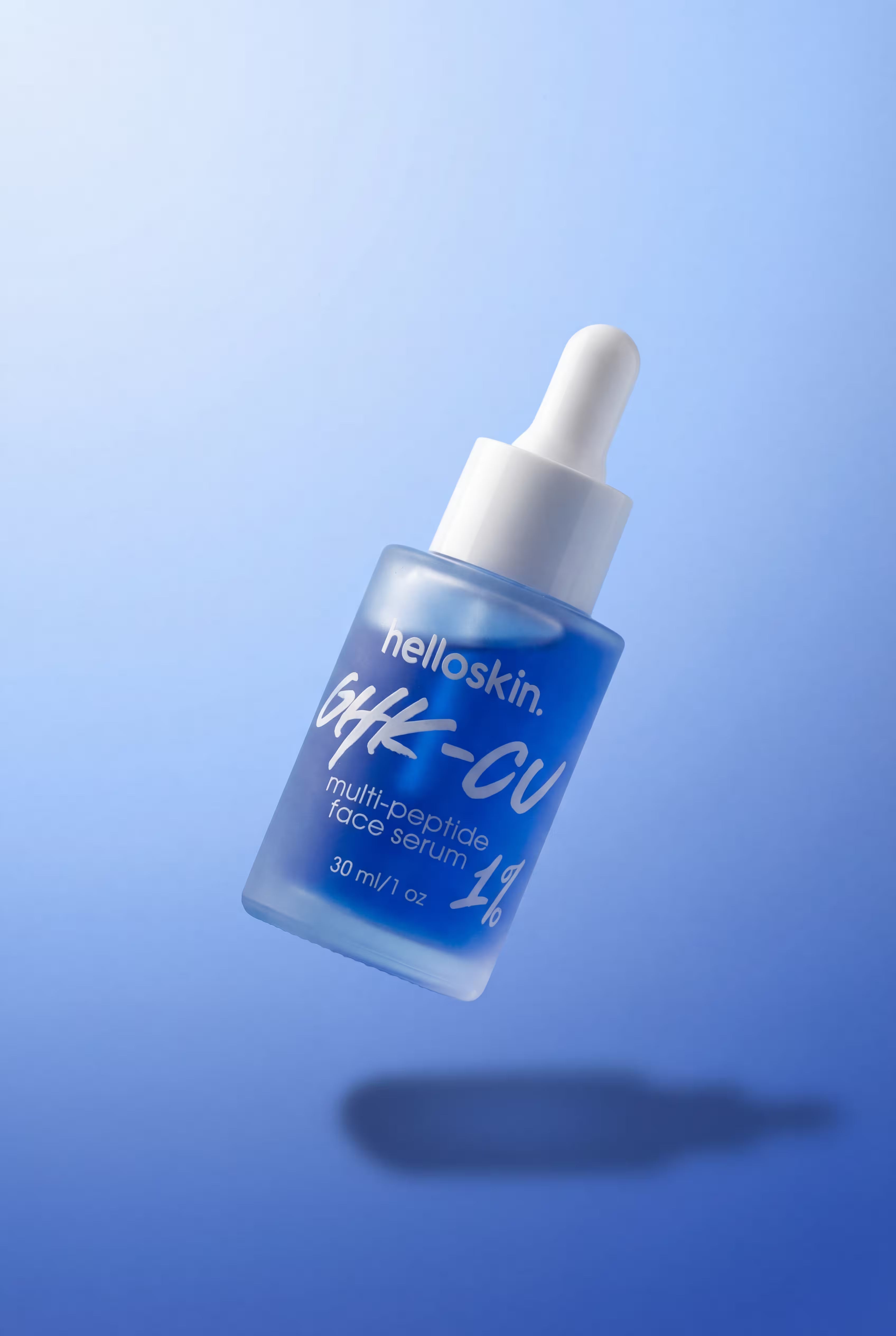
Hyaluronic Acid Serum
A lightweight starting layer for skin that dislikes heaviness.

By Skin Type
Sensitive skin, minus the routine roulette.
When your skin complains fast, the answer is not a bigger routine. It is fewer moving parts, softer layers, and ingredients that make sense together.
The sensitive skin routine
A compact edit with clear jobs, useful ingredients, and products that make sense together.
A lightweight starting layer for skin that dislikes heaviness.

Peptide-led support for skin that looks tired or stressed.

A simple finish so sensitive skin does not feel left exposed.
The quick read
3 steps
A calmer routine with fewer moving parts
Slow build
Add one product at a time
Comfort
Designed around skin that feels easily overworked
Browse the full edit
Keep the core routine simple first, then add extras slowly only if your skin is already comfortable.

Type: Moisturisers

Type: Serums

Type: Cleansers

Type: Serums


Type: Serums

Type: Bundles + Kits

Type: Face Masks

Type: Face Masks

Type: Face Masks

Type: Face Masks

Type: Face Masks

Type: Face Masks

Type: Serums
Sensitive skin guide
This guide gives sensitive skin the space it deserves: simple routine logic, ingredient context, and a calmer way to think about product choices.
Start here
Sensitive skin often feels like it reacts before you have even finished deciding whether a product is working. It can feel tight, warm, uncomfortable, or easily overworked when too many products are introduced at once.
The point is not to scare people away from skincare. The point is to make the routine more predictable.
Routine traps
Stacking strong actives makes it harder to know what your skin actually likes.
Changing products constantly can make the routine feel like roulette instead of skincare.
Routine logic
Start with Hyaluronic Acid Serum for a lightweight hydration base. Add PDRN Serum as the support step. Finish with face moisturiser so the routine feels complete.
Ingredient logic
Panthenol, Centella Asiatica, Glycerin, and HA-family ingredients help explain the comfort side of the routine. PDRN gives the page a more advanced peptide-support angle without turning the routine into a crowded active stack.
Why this happens
Sensitive skin can make every new product feel like a gamble. The strongest routine is often not the most impressive looking shelf. It is the one with fewer variables, softer textures, and a clear reason for every step.
That is why this page keeps the routine tight. Lightweight hydration supports comfort without heaviness. PDRN gives the routine a peptide-support lane. A moisturiser finishes the routine so the skin does not feel left hanging.
Useful ingredient links for this page include Panthenol, Centella Asiatica, PDRN, Sodium Hyaluronate, and Glycerin.
The best skincare routine for sensitive skin is usually simple, consistent, and barrier-aware. Helloskin's sensitive skin edit keeps the focus on lightweight hydration, moisturising comfort, and PDRN support without forcing too many actives into one routine.
The job is to make the routine easier to tolerate, easier to repeat, and easier to understand.
01
Start with a lightweight humectant layer so the routine feels fresh, not heavy.
02
Use PDRN support when the skin looks tired or stressed from too much routine noise.
03
Finish with a comfort layer and keep the rest of the routine boring on purpose.
Why this stack
Less chance of routine overload
Comfort without a heavy feel
A peptide-led lane without crowding the routine
Built around comfort, not actives for the sake of actives
Common questions
A simple routine with fewer moving parts is usually the best starting point: gentle cleansing, lightweight hydration, support serum, and moisturiser.
Often, yes. Fewer products make it easier to understand what your skin likes and what it does not.
PDRN can sit inside a sensitive-skin routine, but introduce any new serum slowly and keep the rest of the routine simple.
Introduce one product at a time and give the skin enough time before adding another new step.
Usually a stressed barrier, not "bad" skin. When your skin barrier is worn down – often by over-cleansing, over-exfoliating or too many actives at once – the nerve endings underneath get reachable, and everyday products start to sting, flush or feel tight. Genuinely sensitive skin (reactive from birth) exists, but a lot of sudden sensitivity is a barrier asking for a break.
The usual triggers are fragrance, drying alcohols and over-exfoliation – not actives across the board. Added fragrance and denatured or SD alcohol are the two worth scanning labels for, and "natural" essential oils can be just as reactive. The bigger culprit is usually doing too much: three exfoliants and two acids will irritate most skin. Simplify first, then reintroduce.
Yes – you just start low and slow, one at a time. Sensitive skin can use most actives; the mistake is starting strong and stacking them. Introduce one, at a low strength, a couple of nights a week, buffered with moisturiser, and give your barrier a fortnight to settle before adding the next. Niacinamide is a gentle place to start.
If it came on suddenly, it's probably your barrier, not your skin type. Lifelong sensitivity tends to react to a lot, consistently. Sensitised skin is barrier damage from products or over-doing it – it flares, then calms once you strip the routine back and let it recover. The fix for the second one is less, not more: gentle cleanser, a barrier-supporting moisturiser and time.
Calm the routine before you chase the redness. For reactive, red-looking skin, lean on barrier support – niacinamide, hyaluronic acid, panthenol and ceramides – and cut anything that stings. Lukewarm water, gentle cleansing and a consistent moisturiser do more than any single anti-redness hero. If redness is persistent, visible and spreading, it's worth a GP or dermatologist to rule out rosacea.
Your cart is currently empty.
Not sure where to start?
Try these collections: