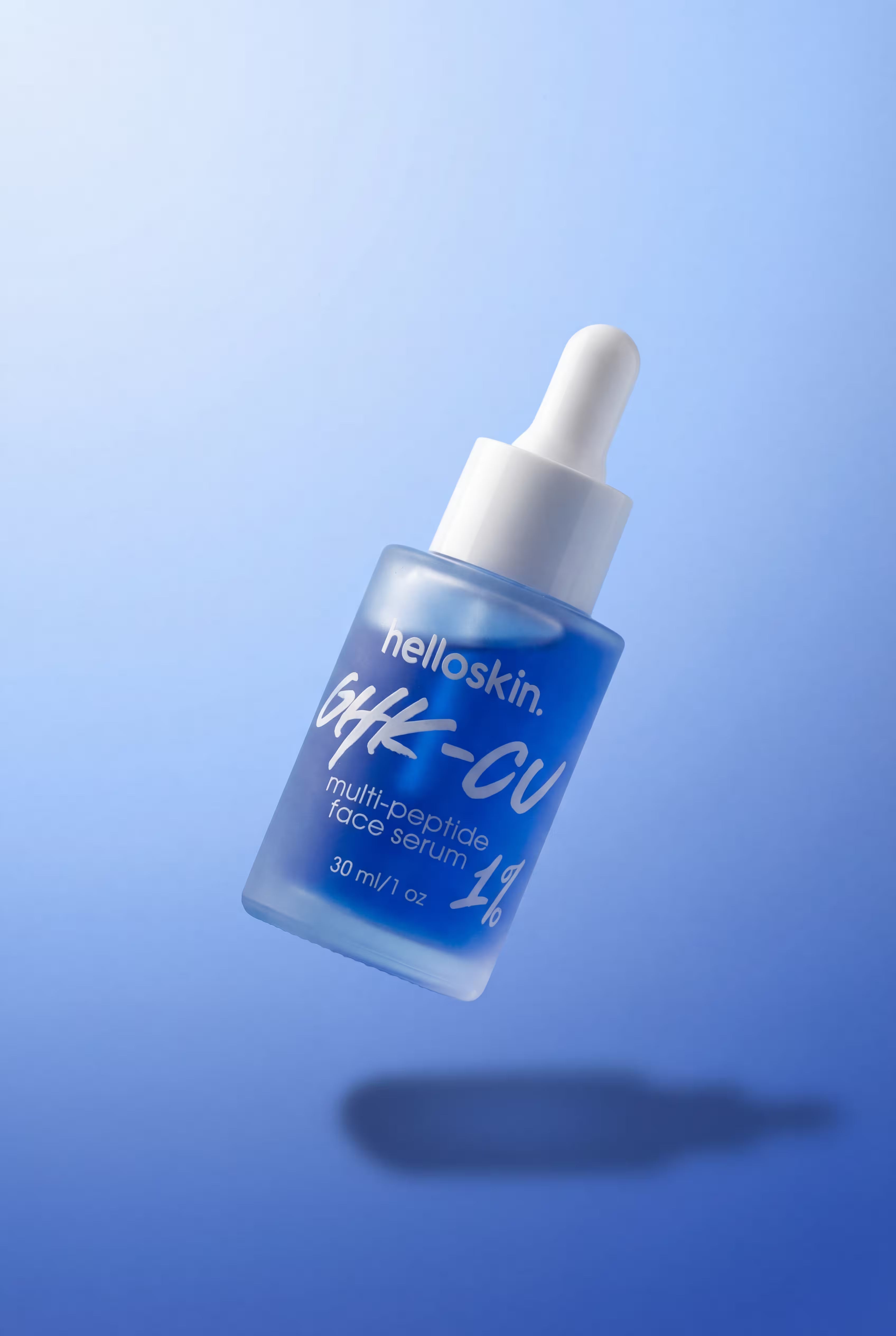
Hyaluronic Acid Serum
Lightweight hydration support before richer layers.

By Skin Type
Dry skin, but make the routine plush.
Tight cheeks, flaky patches, makeup catching where it should not. Dry skin needs comfort, cushion, and a routine that does not disappear by lunchtime.
The dry skin routine
A compact edit with clear jobs, useful ingredients, and products that make sense together.
Lightweight hydration support before richer layers.

PDRN support for dry skin that also looks tired or dull.

Moisturising support to help dry skin feel softer and more comfortable.
The quick read
3 layers
Hydration, comfort, and moisturising support
AM/PM
Easy enough to keep consistent
No drag
Built for skin that feels tight or rough
Browse the full edit
Start with the core routine, then add richer or more targeted products only when the foundation feels comfortable.

Type: Moisturisers

Type: Serums

Type: Cleansers

Type: Serums


Type: Serums

Type: Face Masks

Type: Bundles + Kits

Type: Face Masks

Type: Face Masks

Type: Face Masks

Type: Face Masks

Type: Face Masks

Type: Serums
Dry skin guide
This guide gives dry skin enough room: hydration logic, comfort layers, ingredient context, and how to avoid buying five rich products that all do the same job.
Start here
Dry skin often feels tight, rough, flaky, or like the skin wants a comfort layer almost immediately after cleansing. It can make makeup grip in odd places and make active serums feel less comfortable than they should.
The goal is not to smother the skin. The goal is to layer water-binding support, peptide support, and moisturising comfort in a way the skin can actually wear.
What is happening
Dry skin usually needs more oil, cushion, and moisturising support. It often feels rough or flaky.
Dehydrated skin needs more water-binding support. It can still look oily in some places while feeling tight.
Routine logic
Start with Hyaluronic Acid Serum for lightweight hydration. Add PDRN Serum for peptide-led support. Finish with face moisturiser to make the routine feel comfortable and complete.
Ingredient logic
Sodium Hyaluronate and related HA ingredients explain the water-binding side of the routine. PDRN gives the page a peptide-support lane. Ceramides, Panthenol, and moisturising support help explain why dry skin routines should feel soft, not squeaky.
Why this happens
Dry skin is often confused with dehydrated skin. The plain-English version: dry skin usually needs more oil and moisturising support, while dehydrated skin needs more water. Plenty of people deal with both at once, which is why the routine has to be layered properly.
The mistake is trying to solve dry skin with one giant heavy layer. That can feel nice for ten minutes, then sit on top while the skin still feels tight underneath. A better routine gives the skin water-binding support first, then adds comfort and moisturising support on top.
For Helloskin, this means connecting Sodium Hyaluronate, PDRN, Ceramides, and moisturising support into one routine story instead of making dry skin guess through a product grid.
The best skincare routine for dry skin is a moisturising, barrier-aware routine that supports comfort, water-binding hydration, and a softer skin feel. Helloskin's dry skin edit pairs PDRN, hyaluronic acid, and moisturising support so the routine feels cushioned without becoming complicated.
Dry skin routines work best when hydration and moisturising support are not handled like the same job.
01
Use lightweight humectants so dry skin feels fresher before heavier layers go on.
02
Use PDRN support when dry skin also looks tired, stressed, or dull.
03
Use moisturising support so the routine feels soft instead of disappearing instantly.
Why this stack
Water-binding ingredients help skin feel fresh before moisturiser
Moisturising support helps soften the feel of dry skin
PDRN gives the routine a more advanced skin-support lane
A steadier routine helps makeup and SPF sit better
Common questions
A good dry skin routine usually uses lightweight hydration first, then a support serum, then a moisturising comfort layer.
No. Dry skin usually needs more oil and moisturising support. Dehydrated skin needs more water-binding support. Some skin needs both.
Hyaluronic acid can be useful in dry skin routines because it supports lightweight hydration before moisturiser.
Sometimes the routine is missing hydration underneath, or the moisturiser is not enough on its own. Layering matters.
Your cart is currently empty.
Not sure where to start?
Try these collections: