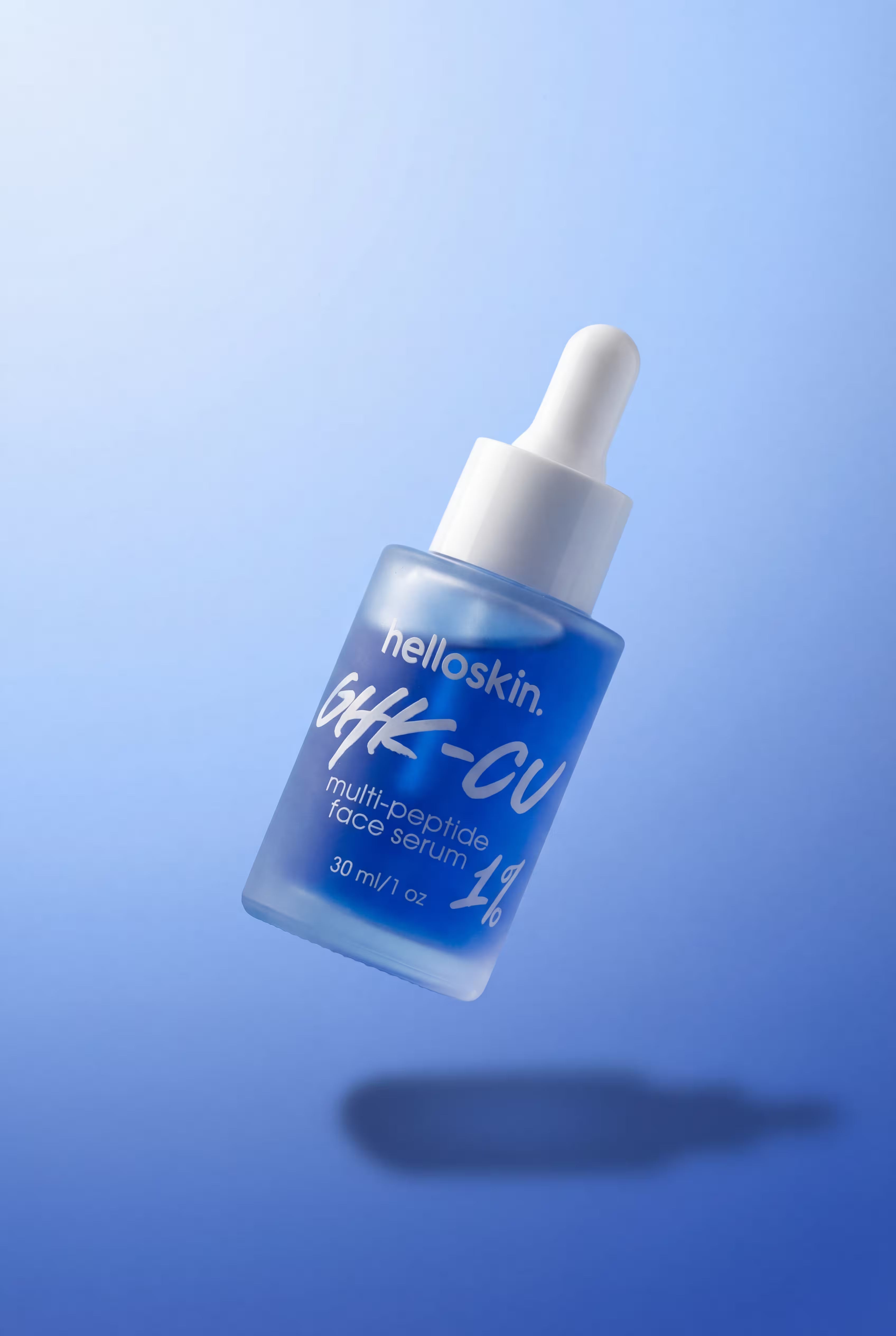
Hyaluronic Acid Serum
Lightweight hydration support for skin that feels tight but dislikes heaviness.

By Skin Type
Dehydrated skin, explained without the guesswork.
Tight but shiny? Dull but oily? Makeup sitting weird? Dehydrated skin is a water-support problem, not always a rich-cream problem.
The dehydrated skin routine
A compact edit with clear jobs, useful ingredients, and products that make sense together.
Lightweight hydration support for skin that feels tight but dislikes heaviness.

Peptide-led support for skin that looks dull, tired, or flat.

A moisturising finish so hydration feels comfortable and complete.
The quick read
Water
Different problem to dry skin
Light layers
Hydration without heavy overload
3 steps
Hydrate, support, moisturise
Browse the full edit
Explore lightweight hydration, peptide support, and moisturising layers once the dry-versus-dehydrated difference is clear.

Type: Moisturisers

Type: Serums

Type: Cleansers

Type: Serums


Type: Bundles + Kits

Type: Face Masks

Type: Bundles + Kits

Type: Face Masks

Type: Face Masks

Type: Face Masks

Type: Face Masks

Type: Face Masks
Dehydrated skin guide
This guide gives dehydrated skin the clarity it needs: what it is, why it is different from dry skin, which ingredients make sense, and how to build a routine without overcorrecting.
Start here
Dehydrated skin often feels tight, flat, or uncomfortable, but it does not always look dry. Some people feel tight after cleansing and shiny by midday. That is the confusing part.
The routine should focus on water-binding support first, then comfort.
What is happening
Tight, dull, flat, sometimes shiny. Often responds better to lightweight hydration.
Rough, flaky, under-comfortable. Often needs more moisturising support and cushion.
Routine logic
Start with Hyaluronic Acid Serum to bring in lightweight water-binding support. Add PDRN Serum if the skin also looks dull or tired. Finish with face moisturiser so the routine feels complete.
Ingredient logic
Sodium Hyaluronate, Hydrolyzed Sodium Hyaluronate, Glycerin, and Panthenol help explain the water and comfort side. PDRN gives the page a peptide-support path when the routine needs more than hydration.
Why this happens
Dehydrated skin is one of the easiest skin concerns to misread. It can feel tight, look dull, and still get shiny through the day. That is why people often reach for either too much exfoliation or a cream that feels too heavy.
The simple version: dehydrated skin needs water-binding support. Dry skin needs more oil and moisturising comfort. If your skin is both tight and flaky, both stories might be happening at once.
This page should link naturally to Sodium Hyaluronate, Hydrolyzed Sodium Hyaluronate, Glycerin, Panthenol, and PDRN.
Dehydrated skin is skin that feels like it lacks water, while dry skin usually lacks oil and moisturising support. Helloskin's dehydrated skin edit pairs hyaluronic acid, PDRN, and moisturising support so the routine helps skin feel fresher without becoming heavy.
Dehydrated skin needs the routine to separate hydration from heaviness.
01
Use HA-family hydration so the routine starts fresh and lightweight.
02
Add PDRN support when dehydrated skin also looks dull or tired.
03
Use moisturiser so hydration has a better-feeling finish.
Why this stack
For tight-feeling skin that still might look shiny
Peptide-led support for tired-looking skin
Moisturiser keeps the routine feeling complete
Clear separation between dry and dehydrated skin
Common questions
Dehydrated skin is skin that feels like it lacks water. It can feel tight, dull, or flat, even if it also gets shiny.
No. Dry skin usually needs more oil and moisturising support. Dehydrated skin needs more water-binding support.
Yes. Skin can look oily on the surface and still feel dehydrated underneath.
HA-family ingredients, glycerin, panthenol, and lightweight moisturising support can all make sense in a dehydrated skin routine.
Your cart is currently empty.
Not sure where to start?
Try these collections: