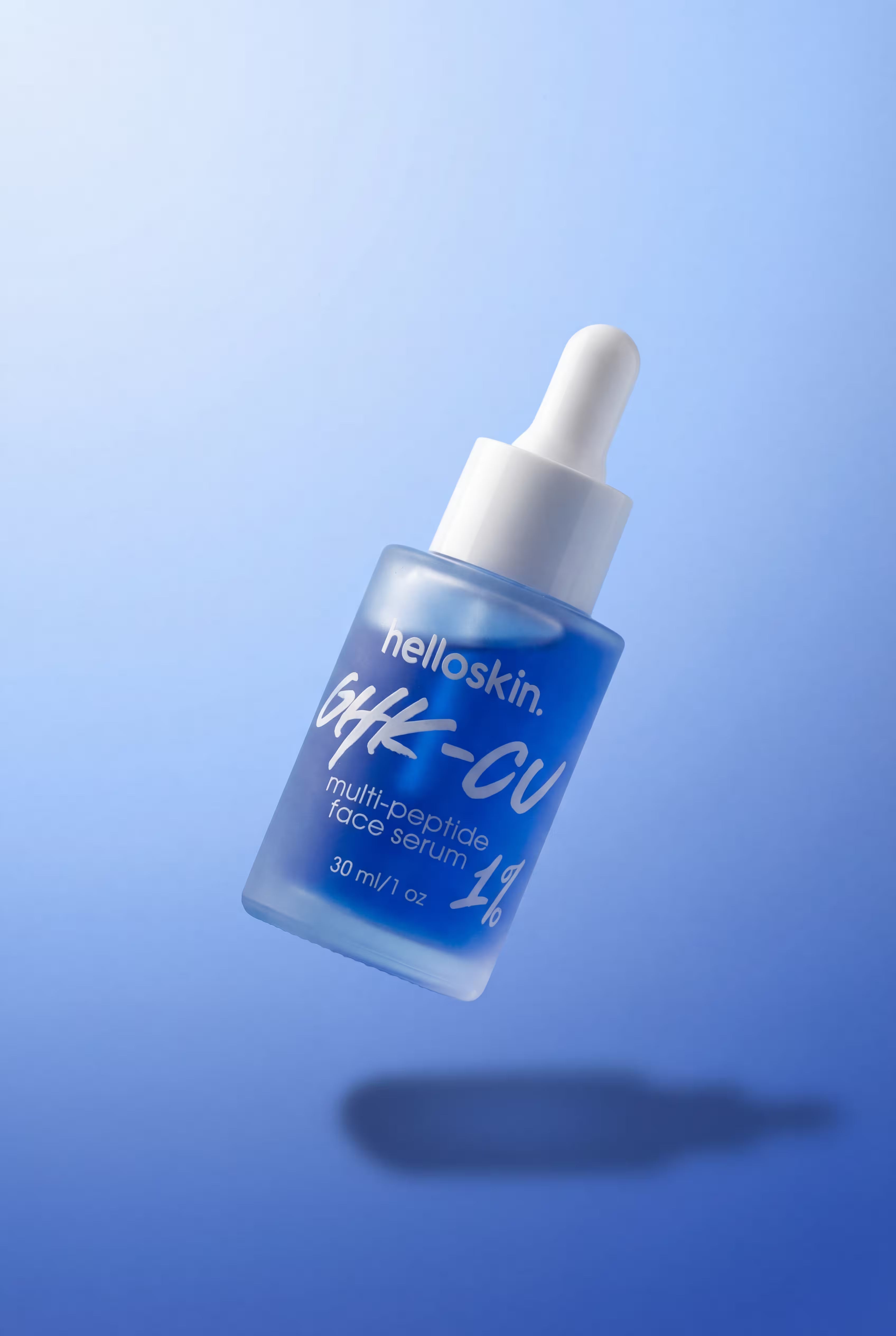
True Tone Serum
Tranexamic-led support for uneven-looking tone.

By Skin Concern
Post-breakout marks need patience and a plan.
When a blemish leaves a mark behind, the routine should support uneven-looking tone without turning your face into an active stacking experiment.
The post-breakout marks pih routine
A compact edit with clear jobs, useful ingredients, and products that make sense together.
Tranexamic-led support for uneven-looking tone.

Brightening support for dull, uneven-looking skin.

Clarifying support when breakout-prone skin and marks overlap.
The quick read
Tone first
Built around uneven-looking post-breakout marks
Slow and steady
Consistency matters more than product hopping
3 products
Tone support, glow support, clarifying support
Browse the full edit
Build around tone support first, then keep the routine comfortable enough to repeat.

Type: Serums

Type: Serums

Type: LED Light Therapy

Type: Moisturisers


Type: Serums

Type: Cleansers

Type: Serums

Type: Serums

Type: Serums
Tone guide
This guide explains post-breakout marks, tone-support ingredients, routine pacing, and why a steady plan beats random brightening layers.
Start here
Post-breakout marks are frustrating because the skin can look busy even after the blemish is gone. The routine needs to support uneven-looking tone without making the skin feel punished.
The best plan is usually consistent, SPF-aware, and built around ingredients with clear tone-support jobs.
Different jobs
Needs a routine that stays clear, calm, and not overloaded.
Needs tone support, consistency, SPF, and patience.
Routine logic
Use True Tone Serum as the tone-support step. Use pureC Vitamin C Serum for brightness support. Use Azelaic Acid 20% Serum when uneven-looking tone overlaps with breakout-prone skin.
Ingredient logic
Tranexamic Acid, Vitamin C, Niacinamide, and Azelaic Acid all help explain tone-support routines for post-breakout marks.
Why this happens
Post-breakout marks can make the skin look uneven long after the breakout itself has settled. The routine should not turn into a race. It should support tone, keep the skin comfortable, and stay consistent enough to judge properly.
This is where ingredient roles matter. Tranexamic Acid gives the routine a dedicated tone-support lane. Vitamin C supports brightness. Azelaic Acid is useful when breakout-prone skin and uneven-looking tone overlap.
Daily SPF still matters for any routine focused on uneven-looking tone.
PIH is commonly used to describe darker-looking marks left after a breakout. A smart skincare routine focuses on tone support, consistency, hydration, and daily SPF. Helloskin's edit uses True Tone, Vitamin C, and Azelaic Acid 20% to support uneven-looking tone without overcomplicating the routine.
Post-breakout marks respond best to a routine that is consistent enough to follow and simple enough to understand.
01
Use True Tone as the tranexamic-led tone-support step.
02
Use Vitamin C when the routine needs brightening support.
03
Use Azelaic Acid 20% when breakouts and uneven-looking tone overlap.
Why this stack
Built around marks that remain after blemishes settle
Supports brightness and uneven-looking tone
A dedicated tone-support lane
Useful when marks and breakout-prone skin overlap
Common questions
PIH is often used to describe darker-looking marks left after a breakout. This page explains it in practical skincare terms.
Tranexamic acid, vitamin C, niacinamide, and azelaic acid can all fit tone-support routines.
No. A routine is easier to keep consistent when each product has a clear job.
Yes. Daily SPF is important in routines focused on uneven-looking tone.
Your cart is currently empty.
Not sure where to start?
Try these collections: